Industrial Coatings And Corrosion Control
Industrial paint is not just a finish. This practical guide helps facility managers, maintenance teams, engineers, and industrial buyers select the right industrial coatings for tanks, piping, structural steel, floors, and process equipment.
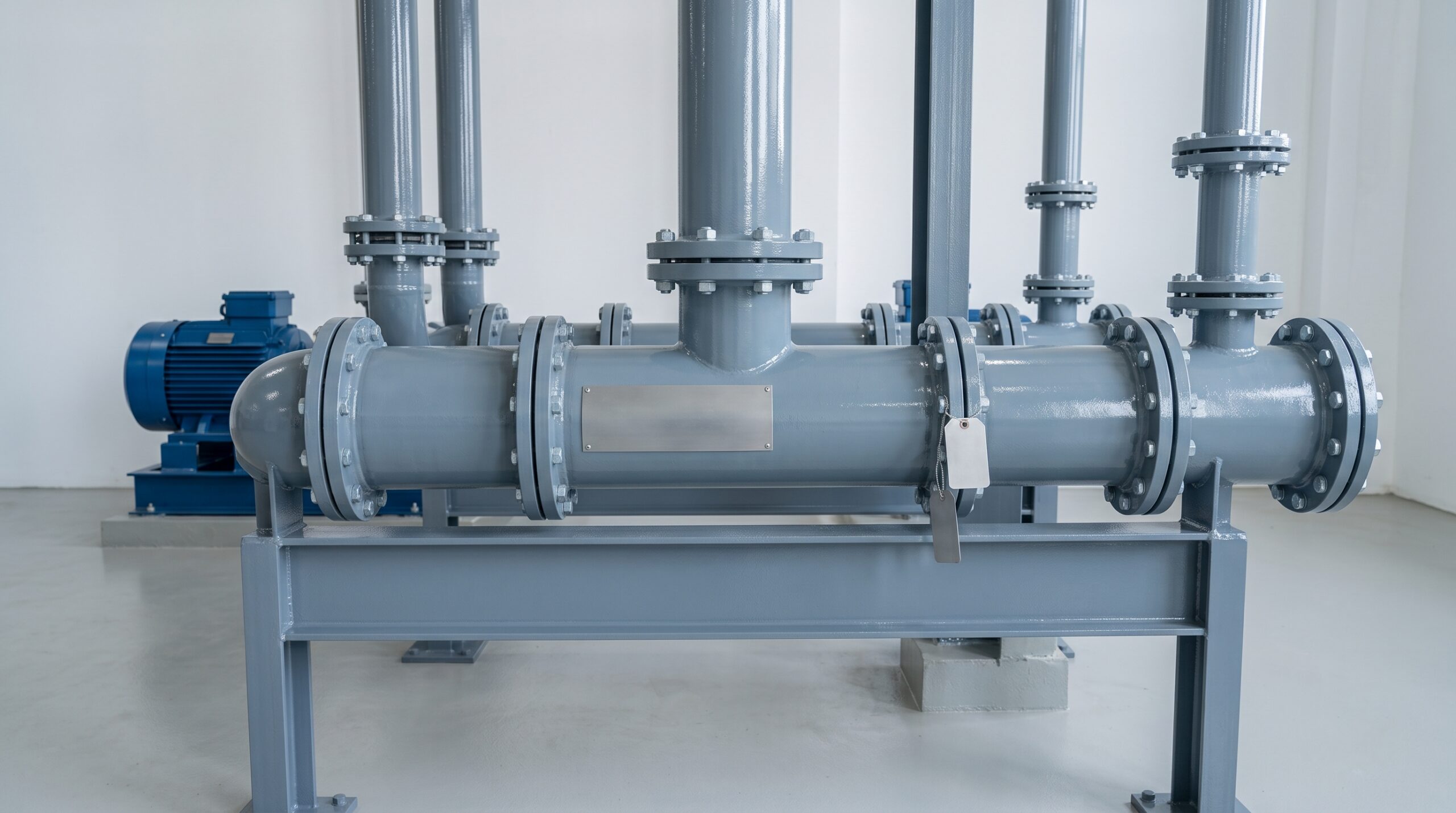
Corrosion is one of the most expensive threats to industrial infrastructure. The Association for Materials Protection and Performance (AMPP), formerly NACE International, has reported that the global cost of corrosion is more than $2.5 trillion, or about 3.4% of global GDP. AMPP has also reported that corrosion-control practices can reduce those costs by an estimated 15% to 35% when they are applied consistently.
For facility teams, those numbers show why corrosion cannot be treated as a cosmetic issue. Rust and coating failure can affect downtime, maintenance budgets, inspection schedules, safety exposure, production reliability, and the useful life of major assets. A coating that saves money on day one can become the expensive choice if it fails early and forces emergency repairs.
The goal is simple: match the coating system to the real exposure, then confirm the prep work, film thickness, cure, and inspection plan before the asset goes back into service.
Signs Your Facility Needs Better Corrosion Protection
- Rust bleed, blistering, cracking, peeling, or soft coating around steel surfaces.
- Recurring coating repairs in the same tanks, pipe, railings, platforms, or containment areas.
- Chemical splash, washdown, condensation, outdoor weather, or high humidity near critical assets.
- Corrosion around edges, welds, bolts, gaskets, insulation jackets, or hard-to-inspect crevices.
- Shutdowns or emergency repairs caused by coating failure, leaks, or surface deterioration.
Seeing rust bleed, blistering, or repeated coating failure? Bowers Industrial can review the substrate, exposure, and maintenance goals before you commit to a coating. Request a corrosion protection quote.
Industrial Coatings vs. Commercial Painting
Commercial painting is usually focused on appearance, surface refreshes, and light-duty protection. Industrial corrosion protection is different because the coating system has to be selected around substrate condition, exposure, service temperature, chemical contact, abrasion, moisture, access limitations, and expected service life.
Specialized industrial application may include abrasive blasting, power-tool cleaning, surface profile verification, primer/intermediate/topcoat systems, stripe coating, holiday detection, dry film thickness checks, adhesion testing, containment, and controlled cure conditions. Those steps add cost, but they also reduce the risk of premature coating failure, shutdowns, rework, and safety exposure.
The True Cost of Corrosion and Life-Cycle Planning
Industrial buyers should look at corrosion protection through life-cycle cost, not just material price. ASTM A1068 covers life-cycle cost analysis for corrosion protection systems on iron and steel products. In plain terms, it pushes the team to compare total cost over the life of the asset, including surface preparation, application, downtime, inspection, maintenance, rehabilitation, and replacement.
That can change the buying decision. A basic coating may cost less to apply, but a higher-performance system may reduce future recoating, shutdowns, scaffolding, containment, and production interruptions. For critical assets, the coating price per gallon is only one piece of the cost.
Start With the Environment: ISO 12944 Corrosivity Categories
Industrial coating specifications usually start with the environment. ISO 12944 is commonly used to classify atmospheric and immersion exposures for painted steel structures. The category helps the team decide how much protection is needed before choosing a primer, intermediate coat, or topcoat.
| Category | Typical Exposure | Planning Implication |
|---|---|---|
| C1-C2 | Very low to low corrosivity, such as clean heated interiors or lightly contaminated rural environments. | Basic protection may be enough when there is limited moisture, chemical contact, or condensation. |
| C3 | Medium corrosivity, including urban or light industrial atmospheres and production spaces with moderate humidity. | Surface preparation and film thickness become more important because moisture and pollutants are more active. |
| C4 | High corrosivity, such as industrial areas, chemical plants, pools, ship repair yards, or inshore areas with moderate salinity. | Multi-coat systems are often needed to balance adhesion, barrier protection, and weatherability. |
| C5-CX | Very high to extreme corrosivity, including aggressive industrial, marine, offshore, or high-humidity environments. | Specifications should be reviewed carefully; applying a single coat direct-to-metal system may be too risky. |
| Im1-Im4 | Fresh water, sea or brackish water, soil, or immersed structures with cathodic protection. | Immersion service requires products and testing suitable for continuous or frequent wet exposure. |
Durability targets matter too. ISO 12944 uses durability ranges to describe the expected time to first major maintenance. That is not a warranty, but it gives engineers and maintenance teams a useful way to compare coating systems.
The Main Types of Corrosion to Watch For
Corrosion does not always show up the same way. Identifying the pattern helps determine whether the surface needs a barrier coating, a lining, a sealant, better drainage, isolation between metals, or a more specialized repair.
Uniform Corrosion
Uniform corrosion spreads across a surface at a relatively even rate. It is often easier to predict than localized corrosion, but it can still reduce wall thickness, weaken steel, and shorten equipment life if the surface is not protected.
Pitting Corrosion
Pitting corrosion creates small, concentrated cavities in the metal. It can be difficult to spot early because the surface may look mostly intact while small pits deepen. This is a concern for tanks, process equipment, and water or wastewater systems where localized failure can happen quickly.
Galvanic Corrosion
Galvanic corrosion can happen when dissimilar metals are connected in the presence of an electrolyte such as moisture or process water. One metal becomes more likely to corrode. This is common around mixed-metal assemblies, fasteners, brackets, and marine or washdown environments.
Crevice Corrosion
Crevice corrosion develops in tight spaces where water or chemicals can sit, such as under gaskets, bolt heads, overlaps, and flanges. These areas are easy to miss during routine checks and need careful attention during surface preparation and coating.
Stress Corrosion Cracking
Stress corrosion cracking can occur when a stressed metal is exposed to a corrosive environment. It is especially serious in high-pressure, high-temperature, or chemically aggressive operations because damage may progress before it is visible from the surface.
How Industrial Coating Systems Prevent Corrosion Damage
Strong corrosion protection usually comes from a coating system, not one decorative paint layer. Each layer has a job. The right combination depends on the substrate, exposure, cure time, service temperature, chemical contact, traffic, and repair schedule.
| Layer Or Need | What It Contributes |
|---|---|
| Zinc-rich primer | Provides galvanic, sacrificial protection for properly prepared steel, helping protect the substrate if the coating is damaged. |
| High-build epoxy or Novolac epoxy | Builds a dense barrier against moisture, oxygen, abrasion, and chemical attack. |
| Polyurethane or polysiloxane topcoat | Adds UV stability, color retention, weatherability, and exterior durability where sunlight is a factor. |
| Chemical resistance | Helps withstand acids, alkalis, solvents, oils, fuels, and cleaning agents without softening or losing adhesion. |
| Maintenance access | Allows inspection, cleaning, and localized repair without forcing a complete shutdown every time. |
Facilities that handle acids, alkalis, solvents, fuels, or process chemicals need coatings made for those exposures. A general-purpose paint may look fine at first, then soften, blister, or peel once it meets the real chemicals in service. Products such as Chemical Mastic CM-15 high-build epoxy mastic, 100% solids pipe and tank lining, or chemical resistant industrial floor coatings are built for harsher industrial conditions.
High-temperature equipment needs coatings that can tolerate heat without losing adhesion or breaking down. In these cases, heat-resistant coating options are selected around the expected temperature range and the surrounding environment.
Quick Coating Selection Guide
| Facility Condition | Common Risk | Coating Direction To Discuss |
|---|---|---|
| Mild indoor steel | Light humidity, cleaning, and routine wear. | Primer and finish systems selected for basic corrosion resistance and maintainability. |
| Chemical splash or secondary containment | Softening, blistering, or coating breakdown from acids, alkalis, solvents, or fuels. | High-build epoxy, Novolac epoxy, or chemical-resistant lining systems matched to the chemical list. |
| Immersion or frequent wet service | Osmotic blistering, underfilm corrosion, and early adhesion loss. | Immersion-rated linings with verified surface preparation, film thickness, and cure conditions. |
| Outdoor UV and weather exposure | Chalking, fading, moisture intrusion, and corrosion at edges or fasteners. | Barrier protection with a UV-stable topcoat where color retention and weatherability matter. |
| High heat or insulated pipe | Thermal breakdown, trapped moisture, or corrosion under insulation. | Heat-resistant or CUI-focused systems selected around temperature, insulation, and inspection access. |
Why Direct-to-Metal Coatings Need Careful Review
Direct-to-metal coatings can be useful when the exposure and maintenance goals fit the product. They can reduce labor because fewer coats may be required. However, in aggressive C4, C5, CX, chemical, immersion, or heavy-abrasion environments, a single film may be asked to do too much at once: adhesion, corrosion resistance, barrier density, impact resistance, and UV stability.
For harsh industrial exposure, a multi-coat system may be the safer choice. The primer, intermediate coat, and topcoat can each handle a different failure risk. That is why coating selection should be based on the environment and design life, not just speed of application.
Common Corrosion Protection Mistakes
Many coating failures start before the asset goes back into service. One common mistake is choosing a product by broad category, such as epoxy or urethane, instead of by exposure. Chemical concentration, immersion, abrasion, temperature, UV exposure, and cleaning practices can all change what the coating has to withstand.
Another mistake is rushing surface preparation. If oil, soluble salts, loose rust, old coating failure, or moisture remain on the surface, the coating may lose adhesion even when the product is high quality. A stronger plan connects product selection, prep work, application conditions, inspection, and maintenance.
Safety And Environmental Compliance Considerations
Industrial coating projects should also account for worker safety and environmental compliance. OSHA-related planning may include hazard communication for coatings and solvents, respirator selection and fit, ventilation, confined-space procedures, fall protection, fire prevention, and PPE based on the site conditions and product safety data sheets. The OSHA Hazard Communication and OSHA Respiratory Protection resources are useful references when a project involves hazardous coatings, vapors, dust, or spray application.
EPA, state, and local air-quality rules may also affect product selection because some industrial maintenance coatings are subject to volatile organic compound, or VOC, limits. EPA lists Architectural and Industrial Maintenance coatings under its surface coating VOC rules, so project teams should confirm coating VOC content, thinning limits, ventilation, containment, and local permitting requirements before work begins.
When Coating Alone Is Not Enough
Corrosion protection works best when the substrate is still sound enough to protect. If steel has severe section loss, active leaks, deep pitting, structural cracking, or ongoing moisture intrusion, the facility may need repair, replacement, welding, sealing, drainage correction, or insulation repairs before a coating system is applied.
This is especially important around tank bottoms, pipe supports, weld seams, penetrations, and concrete-to-steel interfaces. Coating over active damage can hide the problem for a short time, but it does not solve the underlying failure risk.
Specialized Threat: Corrosion Under Insulation
Corrosion under insulation, often called CUI, is a hidden threat for insulated piping, tanks, pressure vessels, and process equipment. It occurs when water enters or condenses inside an insulation system and becomes trapped against the metal surface. AMPP identifies CUI as a serious issue in refining, chemical, offshore, and maritime industries.
AMPP SP0198, The Control of Corrosion Under Thermal Insulation and Fireproofing Materials – A Systems Approach, is one of the standards teams often reference for this problem. CUI prevention should combine the right coating, water-resistant insulation, proper jacketing, sealed penetrations, inspection access, and a maintenance plan. Coatings alone cannot overcome damaged insulation that keeps trapping water against steel. For relevant product research, review Bowers’ Thurmalox 218/219 coating under insulation system.
Surface Preparation: Where Many Coating Failures Begin
Even a strong coating can fail early if the surface is not prepared correctly. Dirt, oil, loose rust, mill scale, old coating failure, moisture, soluble salts, and poor surface profile can interfere with adhesion. Industrial painting works best when preparation, primer, film build, cure, and inspection are planned together.
For many steel assets, specifications may call for SSPC-SP 10 / NACE No. 2 near-white metal blast cleaning. That level of preparation removes visible oil, grease, dust, dirt, mill scale, rust, coating, oxides, corrosion products, and other foreign matter, while allowing only limited staining. Abrasive blasting also creates the angular surface profile a coating needs for mechanical adhesion.
Questions To Answer Before Selecting A Coating
Substrate profiling matters because coating performance depends on mechanical bond as much as product chemistry. The surface needs enough clean, angular profile for the coating to anchor, but not so much profile that peaks remain exposed or film build becomes inconsistent. Connect each question below to the cleaning method, surface profile, and inspection criteria needed for that asset.
- Is the substrate steel, concrete, previously coated metal, or a mixed surface?
- Which ISO 12944 environment best describes the exposure?
- Will the surface face immersion, splash, condensation, outdoor weather, or washdown?
- Which chemicals are present, and at what concentration?
- Will the coating see abrasion, impact, forklift traffic, or vibration?
- What surface preparation standard is realistic before application?
- How much downtime is available for installation and cure?
- How will the coating be inspected and maintained after installation?
For example, chemical exposure may require a different profile and primer than atmospheric service. Immersion or splash-zone work usually needs tighter cleanliness, dry film thickness, and cure control. Corroded steel, concrete, galvanized metal, and previously coated surfaces each require different preparation, and hard-to-reach edges, welds, bolts, and supports may need stripe coating or hand detailing before the full system is applied.
Have these details ready? Send Bowers your substrate, exposure, chemical list, temperature range, shutdown window, and any known surface profile requirements. The team can help narrow the coating options before the project reaches the bid or purchase stage. Start a coating recommendation request.
Inspection, Testing, And Quality Control
A coating specification is only useful if the application can be verified. On critical assets, the project team should define how surface cleanliness, ambient conditions, profile, wet film thickness, dry film thickness, cure, and adhesion will be checked.
Dry Film Thickness (DFT) is commonly measured using magnetic or electronic gauges. SSPC-PA 2 provides procedures for measuring dry coating thickness on magnetic substrates. Adhesion can be checked with ASTM D3359 tape testing, and corrosion resistance testing is often discussed with reference to ASTM B117 salt spray exposure. Those tests do not replace field judgment, but they help owners, inspectors, and applicators work from the same expectations.
This is where experienced product support matters. A facility can have the right coating on paper and still get poor results if the surface profile is wrong, the film is too thin, the cure window is rushed, or the environment is outside the product limits.
Industries That Depend On Corrosion Protection
Corrosion control is important anywhere metal, concrete, moisture, and chemicals meet. A few industries tend to feel the consequences faster because their equipment runs hard and downtime is expensive.
- Oil and gas: pipelines, tanks, containment areas, supports, and process equipment need protection against chemical exposure, soil-side corrosion, splash zones, and weather.
- Power generation: turbines, boilers, cooling systems, railings, platforms, and secondary containment areas often need coatings that handle heat, moisture, chemical exposure, and outdoor service.
- Mining: equipment and structures face abrasion, impact, slurry, washdown, and corrosive materials, so coatings must be selected for both chemical resistance and physical wear.
- Manufacturing: production floors, machinery, racks, exhaust systems, and metal components are exposed to traffic, oils, cleaning chemicals, humidity, and recurring maintenance cycles.
- Water and wastewater: pipe, manholes, tanks, and treatment structures need protection against constant moisture, gases, immersion, and chemical attack.
Most facilities do not need one coating everywhere. A site may need steel coatings in one area, industrial concrete coating in another, and a specialized sealant around joints or penetrations.
Related Bowers Resources
Minimizing Downtime With A Planned Coating Strategy
Corrosion cannot be eliminated from every industrial environment, but it can be managed. Strong programs use inspections, targeted repairs, and coating systems selected for the real exposure. That approach helps extend asset life and reduce emergency repairs that interrupt production.
If you are planning corrosion protection for tanks, steel structures, industrial floors, pipe, containment areas, insulated equipment, or high-heat assets, Bowers Industrial can help compare options and narrow the choices to products that fit your facility.
Get A Corrosion Protection Recommendation For Your Facility
Talk with Bowers Industrial about your substrate, exposure, chemical contact, service temperature, and maintenance goals before corrosion becomes a larger repair problem.
Request a coating recommendation from Bowers Industrial or call 801-977-0508.
Common Questions About Corrosion Protection
What is a C5 corrosion environment?
In ISO 12944, C5 describes very high atmospheric corrosivity. It can include industrial areas with high humidity and aggressive atmosphere, or coastal environments with high salinity. C5 conditions usually require more careful coating selection than mild interior exposure.
Why do industrial coatings fail early?
Common causes include poor surface preparation, soluble salts, the wrong coating for the exposure, inadequate film thickness, trapped moisture, rushed cure time, and chemical contact beyond the product’s limits.
What is corrosion under insulation?
Corrosion under insulation is corrosion that develops beneath thermal insulation when water becomes trapped against the metal. It is difficult to detect because damage can progress under the insulation jacket before it is visible.
How is coating thickness verified?
Dry film thickness is commonly checked with magnetic or electronic gauges. SSPC-PA 2 gives procedures for dry coating thickness measurement so the project team can compare field readings against the specified range.
Is corrosion protection different from regular industrial paint?
Yes. Regular paint may improve appearance, but corrosion protection systems are selected around exposure, adhesion, film thickness, chemical resistance, moisture resistance, inspection, and long-term service conditions.
References and Standards Mentioned
- AMPP corrosion cost and prevention impact summary
- ASTM A1068 life-cycle cost analysis standard
- AMPP standards list, including SP0198
- ASTM B117 salt spray practice
- OSHA Hazard Communication overview
- OSHA Respiratory Protection overview
- EPA Clean Air Act surface coating VOC rules
Corrosion protection for industrial painting works best when the coating system is selected for the actual exposure, applied over properly prepared surfaces, and supported by routine inspection.